
CHATGPT PROGRAMMES FOR THE GARDEN CITY · AL AIN
ChatGPT AI Trainer in Al Ain for Campuses, Hospitals and Employers
Hiring a ChatGPT AI Trainer in Al Ain should mean a team that plans the 160 km trip inland into the calendar, not a single session squeezed between bookings on the coast. Skillopedia runs ChatGPT Business (formerly Team), Enterprise and Edu training for Al Ain organisations as one programme: on-site cohorts of 15–30, one method in every room, results measured against your own starting point.
- On-site cohorts at your campus, hospital, plant or farm
- Dates planned around terms, rosters and busy seasons
- Facilitators you meet by name before you sign
- Day-zero baseline, re-measured at day 30
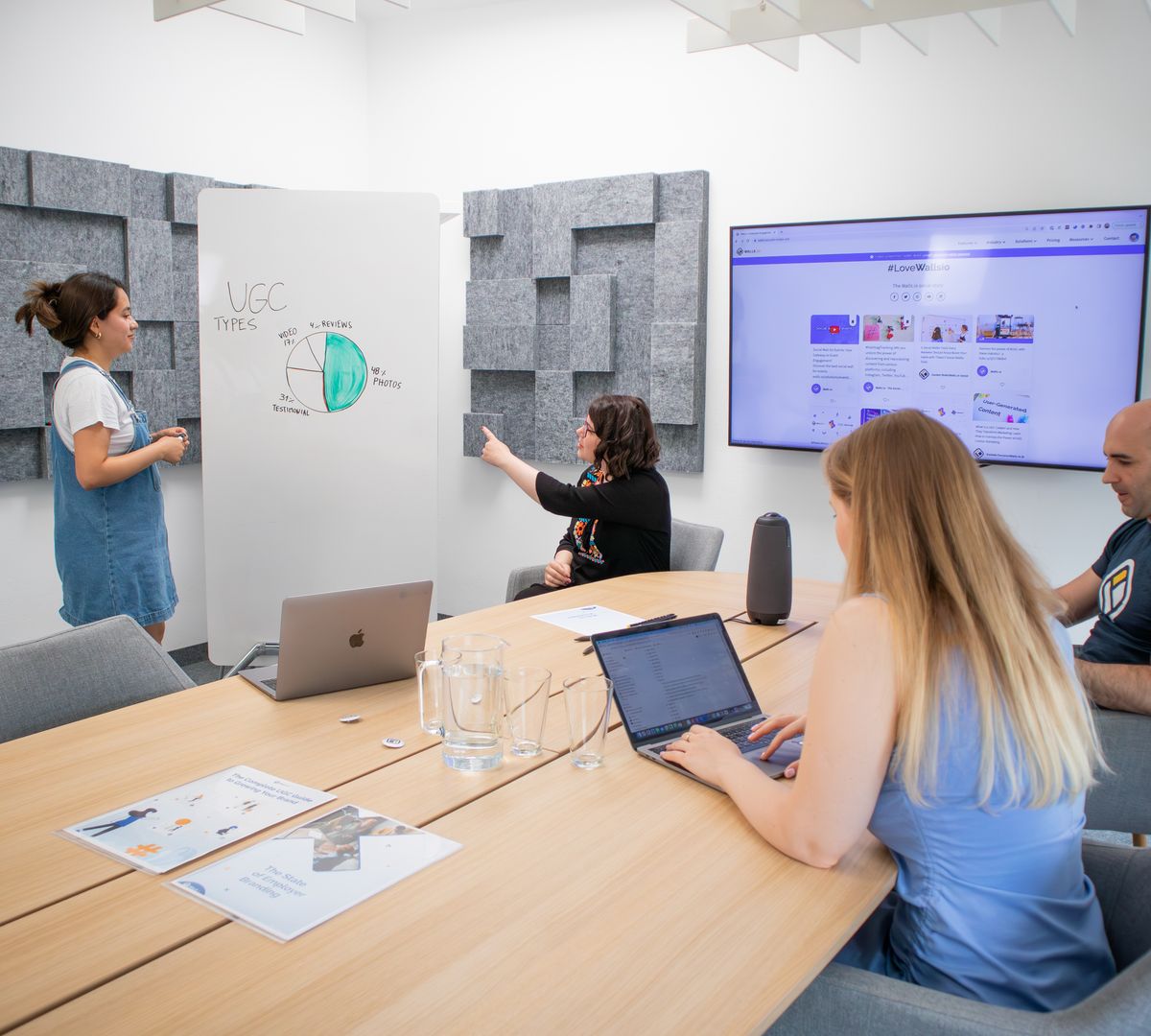
Scope your Al Ain programme with the people who will deliver it.
Thirty minutes on who needs training, where they work in Al Ain, your ChatGPT plan and when access goes live. You then receive a draft cohort plan, travel schedule and facilitator shortlist.
NAMES FROM OUR PUBLISHED ROSTER
A sample of the organisations Skillopedia has trained since 2017
REQUEST AN AL AIN COHORT PLAN
Tell us who needs training, where they sit and when access opens.
Include your ChatGPT plan (Business, Enterprise, Edu or undecided), the sites involved — a campus, a hospital, a plant in KEZAD Al Ain, a farm near Al Saad — and any term or roster limits. Within one working day we reply with the questions between you and a dated cohort plan.
- Programme team reply inside one working day
- Draft cohort plan with travel days and facilitator names
- One measured pilot cohort before any wider rollout
- Facilitator introductions before any contract
Prefer a conversation first? Book a 30-minute call or message us on WhatsApp.
WHY AL AIN, WHY NOW
Why organisations are looking for a ChatGPT AI Trainer in Al Ain this year
Al Ain runs on institutions more than head offices: United Arab Emirates University, the HCT campuses at Zakhir and Falaj Hazaa, SEHA’s Tawam and Al Ain hospitals, Al Ain City Municipality, date and dairy producers around Al Saad and Al Foah, and chemical, metal-coating and warehousing firms in KEZAD Al Ain. Their staff already try ChatGPT, mostly on personal accounts and untaught. What is missing is structured training that reaches them where they work, roughly 160 km from Abu Dhabi city and 120 km from Dubai.
What has changed: OpenAI is retiring Custom GPTs. None can be created after 26 October 2026 and existing ones stop on 11 December 2026, so departments that built helpers on them have weeks to move that work into plugins and skills. Meanwhile Business, Enterprise and Edu workspaces give admin control, company knowledge and workspace agents that only pay off once people are taught.
One trainer can give one department a strong day. An employer with a teaching hospital, three shifts or several faculties needs a cohort plan that respects rosters and terms, facilitators teaching the same thing in every room, a measured pilot and progress reported to the sponsor. That is the job Skillopedia is set up for.

WHAT GOES WRONG IN AL AIN
Eight reasons ChatGPT training fails to stick in Al Ain organisations
Each appears once training must reach more than one building, shift or semester, which describes most employers in the city.
The fly-in afternoon
A trainer drives in from the coast for a few hours, covers everything at once and leaves. No follow-up, no second cohort.
Desk staff only
Registrar and finance offices get trained; ward clerks, plant supervisors and farm teams do not, because their hours never matched. Usage splits along the same line.
Training before access
Sessions run before sign-on and sharing settings are ready, so people practise on personal accounts and carry those habits into the real workspace.
Idle seats
Licences are bought for a department, a handful of people use them, and the gap only surfaces when the renewal invoice arrives.
Orphaned Custom GPTs
Helpers built by enthusiasts hold templates nobody else can see, and they stop working when OpenAI switches Custom GPTs off in December 2026.
Office examples for field teams
A deck built for analysts is shown to packing-hall and warehouse supervisors, who need short tasks from their own day.
No evidence for the sponsor
Whoever approved the budget sees only an attendance sheet, so the case for a second cohort rests on opinion.
Calendar collisions
Sessions land in exam weeks, clinic peaks or production peaks, attendance drops, and the programme stalls.
Each of these is a planning failure. The remedy is a cohort plan with owners, dates and a measure, not another slide deck.
ONE TRAINER OR A PROGRAMME TEAM
What a programme team adds for an Al Ain employer
For one leadership group, a single experienced trainer is often right, and online courses suit people learning alone. These rows matter when several departments, sites or shifts must learn the same way.
| Question to ask | One trainer or an online course | Skillopedia programme team |
|---|---|---|
| Rooms per week | One room at a time, which suits one group well | Several cohorts of 15–30, back to back or side by side on your sites |
| Who teaches | One person, or whoever the provider assigns on the day | Facilitators trained and certified on one method, whom you meet before you sign |
| Same quality in every room | Depends on one person’s day or a recorded video | Common facilitator guide, versioned lab pack and calibration before each block of cohorts |
| Timing | Whatever date the trainer or course calendar has free | Cohorts start once sign-on and settings are live, and avoid term and roster peaks |
| What the sponsor sees | A sign-in sheet and feedback scores | A monthly one-page summary: adoption by department plus day-zero and day-30 task measures |
| Buying process | A single invoice or a list price | Scope per cohort block, facilitator profiles and a pilot before wider commitment |
| If the trainer falls ill | The day is postponed | A certified facilitator who has already observed your cohorts steps in |
| When delivery ends | The relationship ends with it | Your own trainers certified to run the programme for new staff |
| Track record | A personal profile or a large catalogue | 335+ organisations trained since 2017 across 13 sectors, with a 4.8/5 average post-session rating from 300+ surveyed participants |
PROGRAMME DESIGNS WE HAVE RUN
Three engagements, and why their structure suits Al Ain
Three engagements from our published client roster, described by programme design, not outcome claims. None took place in Al Ain; the patterns fit the city’s campuses, plants and multi-shift employers.
Beroe — analysts learning ChatGPT data analysis
Hands-on sessions for research managers and analysts across several AI tools, including ChatGPT’s data analysis and custom GPTs. The same labs suit Al Ain’s university research offices and hospital quality teams; the custom GPT part is now taught as plugins and skills.
Indorama — one design, plants in three countries
Workshops for teams at Indorama plants in Nigeria, India and Indonesia, designed once and delivered site by site. It fits an Al Ain group with staff in the city centre and production in KEZAD Al Ain or on a farm.
Transworld Group — four batches of 25 leaders
Leadership AI enablement run in four batches of 25. Not a ChatGPT programme; cited only to show repeated batches staying consistent, as a hospital or faculty needs.
Some of the 335+ organisations on our published client roster (most are based in India):
HOW AN AL AIN PROGRAMME IS ASSEMBLED
Six building blocks, used in the order your organisation needs them
Most Al Ain clients begin with a Readiness Sprint and one Pilot Cohort, then decide how many cohorts should follow. Each block runs on FLUENT™, our six-stage method: Frame, Learn, Use, Embed, Nurture, Track.
Readiness Sprint
1–2 weeks · before the first cohort
We review your workspace, list every group that needs training and where it works, and fix the cohort dates and three baseline tasks.
- Workspace, sign-on and provisioning review
- Training map by department, site and shift
- Cohort dates set around terms and rosters
- Three named baseline tasks per department
- Usage standard drafted with IT and legal
Pilot Cohort, measured
One department · goes first
One department completes the programme first, proving labs, timing and reporting on real work before others are booked.
- 15–30 people from one team or office
- Labs built on that team’s own redacted files
- Day-30 re-measure of the baseline tasks
- Changes to labs and timing written down
- Written go/no-go agreed with the sponsor
Cohort Programme
Several weeks · on-site blocks
Further cohorts across departments and sites, all on one lab pack, each starting once its people have working seats.
- Cohorts of 15–30, never lecture halls
- Your meeting rooms, or a venue in the city
- Facilitator calibration before each block
- Live rooms observed against one rubric
- A named stand-in for every facilitator
Sponsor Briefing & Review
Half day, then monthly · leadership
For the dean, director or owner who decides whether to continue: what each block should deliver and how to read adoption figures.
- Half-day briefing before the pilot starts
- One-page monthly progress summary
- Adoption figures drawn from workspace analytics
- Continue, pause or stop points agreed upfront
- Quarterly re-measure after the last cohort
Builders’ Track: Plugins, Skills & Agents
2 days · builders and approvers
For staff who design, approve and retire plugins, skills and workspace agents, and move Custom GPTs before shutdown.
- Skills written from real procedures
- Workspace agents scoped and tested
- Custom GPT list with a migration decision for each
- Register of every plugin and agent, with owners
- Review and retirement dates set
Handover to Your Trainers
2 days · your training team and champions
We certify your in-house trainers or champions to deliver the licensed programme to new staff.
- Licensed facilitator guide and lab pack
- Co-teach one live cohort with us
- Observed and scored on our rubric
- Induction module ready to run
- Individual certification for each trainer
DEPTH BY ROLE
Which ChatGPT features each group learns, and how deeply
Everyone learns to use it; team leads to apply it; builders to create plugins and agents; admins to configure; sponsors to read the evidence. Plans differ, so we confirm your features in the Readiness Sprint.
Plans and models
Sponsors and admins: what Business, Enterprise or Edu actually includes. GPT-6 Astra is the current flagship model; on Enterprise it stays off until an admin switches it on.
Writing a proper brief
Everyone, in depth: stating the purpose, the reader, the sources and the expected format before asking for anything.
Projects, personal and shared
Everyone uses them for recurring work; team leads set them up for shared deliverables such as monthly reports.
Company knowledge & approved apps
Team leads and admins: answers grounded in approved documents, and which apps (formerly connectors) each department may switch on.
Deep research for reports
Researchers, analysts and policy staff: framing the question well and checking every source before a report is shared.
Data analysis on real exports
Finance, quality and operations teams: working on real exports, verifying each step and producing charts that hold up in review.
Writing blocks plus Office extensions
Everyone: drafting in writing blocks and working through the Excel, Word, PowerPoint and Google Sheets extensions.
Plugins & skills
Builders, in depth: turning procedures into skills, bundling plugins and moving Custom GPTs across before they stop.
ChatGPT Work & workspace agents
Builders create and test agents; team leads give ChatGPT Work a defined goal and check what comes back.
Memory & scheduled tasks
Everyone at awareness level; team leads set up recurring summaries and decide what memory should keep.
Admin console & analytics
Workspace admins, in depth: SAML SSO, SCIM, role-based access, sharing, retention and the analytics behind monthly reporting.
Data rules
Admins and sponsors: which data classes may enter the workspace. Everyone: what the usage standard allows and what never goes in.
All labs run in your own workspace on your plan. The programme is ChatGPT-first; if teams also use Copilot, Claude or Gemini, the usage standard covers each.
THE CURRICULUM
Ten modules, grouped by who takes them
Modules 1–3 are the core for everyone, 4–5 are function labs, and 6–10 serve specific roles. About 30% teach and 70% lab, on redacted material from your own Al Ain teams.
Module 1 — Getting started in your ChatGPT workspace
Everyone, on day one of access: signing in, finding your way round and knowing what the usage standard permits.
Lab exercises
- Sign in with your work account and check you are not on a personal login
- Locate the apps your department has approved and link one to a test folder
- Rewrite a recent email in a writing block and compare the two drafts
- Complete your first baseline task and note how long it took
- Check one real task against the usage standard and remove what must not go in
Module 2 — Briefing ChatGPT like a new colleague
Everyone: giving ChatGPT the purpose, reader, sources, limits and format it needs, as you would brief a new hire.
Lab exercises
- Turn a one-line request from your manager into a full brief and compare the results
- Upload the source document rather than describing it, then check accuracy
- Ask ChatGPT what it needs to know before it drafts, and supply the answers
- Store your strongest brief as a template in a shared project
- Trade briefs with someone from another department and run each other’s
Module 3 — Projects, company knowledge and checking the output
Everyone: recurring work kept in projects, answers drawn from company knowledge, and a check before anything is sent.
Lab exercises
- Set up a project for one recurring deliverable with three reference files
- Put a question to company knowledge and open every source it cites
- Ask something it cannot answer and see how it signals the gap
- Draft the same notice in Arabic and in English, then check both against the source
- Share the project and agree who keeps its instructions current
Module 4 — Function lab I: reports, analysis and documents
Finance, quality, research and planning staff: recurring reports rebuilt with review designed in.
Lab exercises
- Write a monthly commentary from a real export and trace every figure
- Analyse a redacted spreadsheet with data analysis, checking every step
- Summarise a tender or contract pack into your approver’s one-page format
- Use deep research for a background note and drop sources you cannot verify
- Turn the findings into a slide outline with the PowerPoint extension
Module 5 — Function lab II: service desks, HR, procurement and operations
Service desks, HR, procurement and operations, including shift supervisors who seldom sit at a desk.
Lab exercises
- Draft a supplier clarification from a request for quotation and your standard terms
- Turn a shift log into a short incident summary for the site manager
- Revise a job description against your competency framework
- Prepare a bilingual reply to a student or customer and have a fluent colleague review it
- Schedule a task that compiles a weekly supplier or stock summary
Module 6 — Building plugins, skills and workspace agents
Builders: designing, testing and retiring plugins, skills and agents, and moving Custom GPTs before December 2026.
Lab exercises
- List every Custom GPT your teams use and mark each to migrate, merge or retire
- Move one into a plugin and note which custom actions must be rebuilt
- Write a skill from a real procedure and test it on past cases
- Scope a workspace agent for one hand-off and fix where a person signs off
- Record each build in the register with an owner and a review date
Module 7 — Running the workspace
Admins and IT: SAML SSO and SCIM, role-based access, sharing, retention and the analytics export.
Lab exercises
- Match directory groups to workspace roles before the first cohort
- Test SCIM with one joiner account and one leaver account
- Set sharing rules for projects, plugins and agents by department
- Write retention and data settings into the configuration baseline
- Export analytics and build one department’s adoption view
Module 8 — Making ChatGPT part of how your team works
Line managers and heads of section: moving ChatGPT into team routines and noticing who has not started.
Lab exercises
- Pick two team processes to move into shared projects
- Read weekly active figures and identify who has not begun
- Hold a 15-minute huddle on one real piece of ChatGPT work
- Decide which outputs need a second reader before they leave the team
- Put the team’s day-30 re-measure in the diary
Module 9 — Sponsoring the programme
Sponsors, deans and directors: reading adoption figures and deciding on evidence.
Lab exercises
- Read a sample monthly summary and name the department at risk
- Agree the conditions for moving from pilot to further cohorts
- Decide what happens to seats still unused after 60 days
- Approve the plugin and agent register and its owners
- Set quarterly re-measure dates and who presents them
Module 10 — Delivering the programme yourselves
Your in-house trainers: teaching the licensed programme to new staff with our guide and lab pack.
Lab exercises
- Co-teach a lab with a Skillopedia facilitator, then lead one alone
- Adapt one lab exercise for a new department without changing the method
- Score a recorded session on the observation rubric and compare with ours
- Update the lab pack after a ChatGPT feature change and give it a version number
- Run the induction module and file the completion records
WHO TAKES PART
Eight groups, each with a clear part in the programme
All eight share the core method; sponsors, admins, builders and managers then add the modules their role calls for.
Programme sponsor
Owns the budget, the go/no-go after the pilot and every decision to continue, pause or stop.
Steering group
Department heads with HR, IT and legal, who review the monthly summary and clear blockers.
IT and workspace admins
Sign-on and provisioning, role-based access, sharing, retention and the analytics export.
Builders
Design, approve, register and retire plugins, skills and workspace agents, and move retiring Custom GPTs across.
Champions
Trained a cohort ahead of colleagues, then lead practice and report problems.
Heads of section
Decide whether ChatGPT becomes routine; they get their team’s adoption view and a weekly habit to act on it.
Everyone: desk, ward, plant & farm
Core modules for all, then function labs matched to the job, with separate timings for shift and field teams.
In-house trainers
Your training team or champions, certified after handover to run the licensed programme for new staff.
AL AIN ORGANISATIONS, BY SHAPE
Six kinds of Al Ain organisation, six different cohort plans
Our 335+ organisations span 13 industry sectors across India, the GCC, Africa and Southeast Asia. In Al Ain, the working pattern shapes a plan more than the sector: semesters, rosters, shifts or seasonal peaks.
Universities and colleges
United Arab Emirates University, the HCT campuses at Zakhir and Falaj Hazaa, Al Ain University and other campuses, with academic and administrative staff.
Plan implication: administrative offices first, faculty between terms, and Edu labs written around academic integrity rules.
Hospitals and clinics
Tawam Hospital, Al Ain Hospital and the clinics around them, both hospitals with teaching links to UAE University’s medical college.
Plan implication: non-clinical staff first, no patient data in any lab, sessions fitted to rosters.
Municipal and public-service teams
Al Ain City Municipality, which sits under the Department of Municipalities and Transport, and other regional service departments.
Plan implication: the usage standard is cleared centrally first, and labs use bilingual, permit-style documents with personal data removed.
Manufacturers in KEZAD Al Ain and Sanaiya
Chemical blending, metal coating, workshop and warehousing firms, often small to mid-sized, with mixed office and floor teams.
Plan implication: an office cohort plus a shorter floor-team session. Comparable programme: Indorama, with workshops for plant teams in Nigeria, India and Indonesia.
Agri-food and date producers
Date processors, dairy producers and farms around Al Saad and Al Foah, with export paperwork and food-safety records to maintain.
Plan implication: supervisors and quality staff together, labs on real export documents, dates clear of peak weeks.
Tourism, retail and small businesses
Hotels, attractions near Jebel Hafeet and the UNESCO heritage sites, the malls, and the small firms the Abu Dhabi Chamber’s Al Ain branch works with.
Plan implication: small firms can share one mixed cohort of 15–30, each on its own ChatGPT Business workspace.
WHAT WE CONNECT TO
The systems your Al Ain programme plugs into
Wherever policy allows, we teach inside your own workspace, so people practise on the settings and permissions they keep after we leave Al Ain.
Availability depends on plan and data settings, so we test each feature in your workspace first.
What keeps every cohort consistent
- Facilitator guide — one timed run sheet that every facilitator follows
- Versioned lab packs — numbered releases per cohort block, with changes logged
- Calibration — facilitators rehearse the same labs together before each block
- Observation rubric — live cohorts scored against the same criteria
- Cohort scorecard — attendance, lab completion and attestation for every group
- Escalation path — named owners on both sides for access, content and policy questions
- Stand-in rule — any replacement facilitator has already met you and been calibrated
- Materials refresh — labs updated when OpenAI changes a feature your people rely on
HOW WE RUN IT: FLUENT™ IN AN AL AIN PROGRAMME
Six stages, from the first workspace check to the quarterly re-measure
Every Skillopedia programme follows FLUENT, our own six-stage method. The week numbers are typical and shift with your access date, term calendar or rosters.
Frame · first two weeks
The Readiness Sprint: workspace check, training map, cohort dates and three baseline tasks per department.
Learn · the pilot
One department goes through first and is measured against its baseline. The sponsor records a go/no-go before further cohorts are booked.
Use · further cohorts
Cohorts across departments and sites on one lab pack, in blocks planned around your calendar.
Embed · everyday use
Champions and heads of section lead the follow-up; approved plugins and workspace agents go into the register with named owners.
Nurture · your trainers take over
Your in-house trainers certify on the licensed kit, take on the induction module and are observed on their first cohorts.
Track · measuring again
Baseline tasks re-measured at day 30, then adoption reviewed with the sponsor every quarter.
In every room: roughly 30% teaching and 70% lab work, on real tasks participants bring from their own jobs.
On-site in Al Ain
Facilitators travel to your campus, hospital, plant or farm and run cohorts on consecutive days.
Where: your meeting rooms, a city venue, or live virtual cohorts for colleagues elsewhere.
Cohorts of 15–30
Small enough that facilitators see every screen during labs. More people means more cohorts, never a larger room.
Language: Sessions are delivered in English, and participants practise producing and checking Arabic and English output in every lab.
Times in GST (UTC+4)
Cohort times follow your working week, with split sessions so morning, evening and night shifts receive identical content.
Lead time: usually 2–4 weeks from confirmation to the start of the Readiness Sprint.
GOVERNANCE BEFORE COHORT ONE
One usage standard, agreed before anyone logs in
Governance means settling documents and settings before the first cohort: a usage standard aligned with the UAE Personal Data Protection Law and your sector’s rules, an IT-approved settings baseline, and a clear list of data that never enters ChatGPT. For universities and hospitals weighing where data sits, OpenAI’s Help Center (September 2026) says UAE data residency is open to new ChatGPT Enterprise and Edu workspaces, not Business; under UAE inference residency only some models are available, and ChatGPT Work, image generation and some memory features are off. Your sponsor weighs that trade-off in the Readiness Sprint.
- Usage standard with a short annex per department for its data classes and approvers
- Plugin and agent register: owner, purpose, review date and retirement date for every item
- Custom GPT migration to plugins and skills: no new GPTs after 26 Oct 2026, existing ones stop on 11 Dec 2026 (11 Feb 2027 for Enterprise workspaces with an approved deferral), and custom actions have to be rebuilt
- Sharing rule: no plugin or workspace agent leaves its own team without a named approver
- Settings baseline (SSO, SCIM, roles, sharing, retention) agreed with IT before the first cohort
- Policy attestation recorded for every participant and kept with the completion records
- We sign your NDA before receiving any internal document or sample
- Labs use redacted or synthetic material unless you approve live data in writing
MEASURING WHAT CHANGED
Adoption figures for every department, not just attendance
We report five stages for each department and cohort: invited, activated, active each week, using approved plugins or agents, and work done differently. The first four come from workspace analytics; the fifth from a timed task sample plus manager confirmation, always labelled an estimate.
Where we start: three named tasks timed on day zero per department, re-measured at day 30 and quarterly. We quote no outcome figures in advance; you see your own numbers.
- Adoption stages by department and cohort
- Seat use and cost per active seat, month by month
- A one-page monthly summary per department
- Three baseline tasks timed at day zero and day 30
- Each figure labelled as measured or estimated
- Quarterly re-measure after handover, reported to the sponsor
WHAT YOU KEEP
Eight things your organisation keeps after the last cohort
All eight stay with you for internal use, during the programme and after it.
Facilitator kit, licensed to you
Guide, lab packs and assessment, licensed to your training team for internal delivery.
Usage standard & department annexes
The standard plus one annex per department, editable and owned by your policy lead.
Register of plugins and agents
Every approved plugin, skill and agent, with owner and review date.
Completion and attestation files
Attendance, lab completion and policy attestation for each participant, ready to load into your LMS.
Adoption view template
A department-by-department view that refreshes from your workspace analytics exports.
Final programme report
Baseline against re-measure, adoption by department, open risks and a suggested next quarter.
Induction module
A short licensed module your own trainers run for staff who join after the last cohort.
Certificate for every participant
A completion certificate for everyone who finishes the labs and the policy attestation.
WHO DESIGNS AND DELIVERS YOUR PROGRAMME
Certified facilitators and one programme manager behind every Al Ain cohort
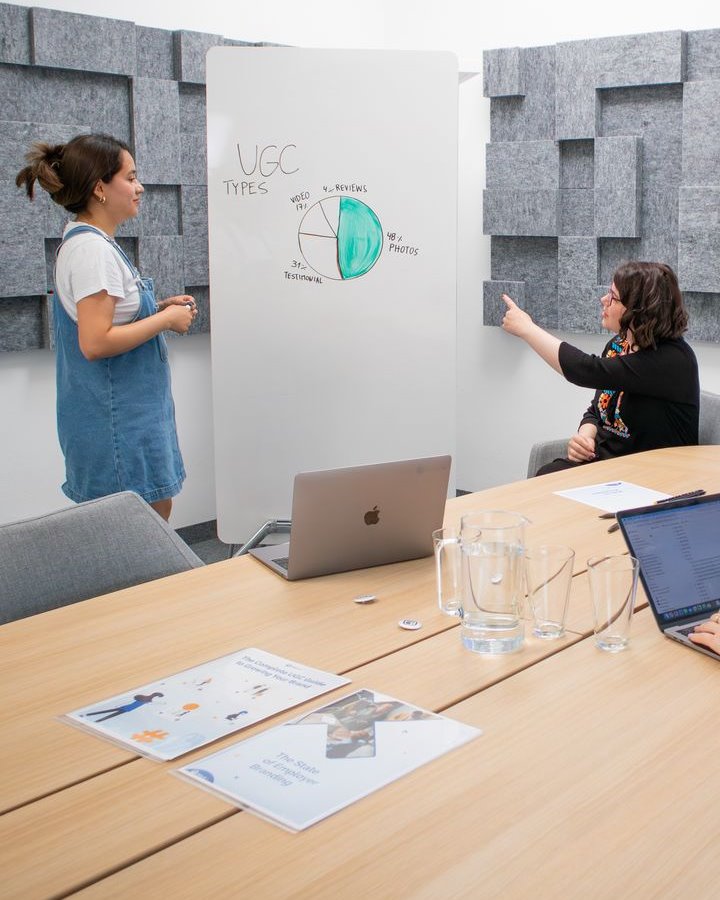
Skillopedia is an AI training firm, so your Al Ain programme is carried by a team rather than resting on one person. Facilitators are selected for classroom experience and for knowing the functions they teach, then certified on the FLUENT method; you receive their profiles and meet them before you sign. Before each block they calibrate together on the lab pack, and sessions are observed against a common rubric, so a faculty cohort on campus and a shift team in KEZAD Al Ain are held to the same standard. One programme manager is your single point of contact from the first call to handover. The method and the lab packs belong to the firm, which makes substitution simple: if a facilitator becomes unavailable, we put forward a replacement certified on the same material, you meet them before their first session, and your dates hold. Skillopedia has worked this way since 2017, with 335+ organisations across 13 industry sectors.
- Skillopedia LLP, founded in Mumbai in 2017
- 335+ organisations trained, spanning 13 industry sectors
- 200,000+ professionals trained (company records)
- Programmes delivered in India, the GCC, Africa and Southeast Asia
- Tata Motors: several cohorts, each participant awarded a certificate
- Transworld Group: leadership enablement run as four batches of 25
WHAT PARTICIPANTS SAY
Rated 4.8/5 on average by 300+ surveyed participants after their sessions
“Started using ChatGPT right after the session. Great explanation, shared in a very nice manner.”
Sanjay Mathur
Manufacturing Head · Indorama (Indonesia)
“This program has been incredibly helpful — enhancing efficiency and providing quick, accurate information that supports decision-making and problem-solving.”
Arun Kumar
Engineer · Indorama
“An excellent trainer with deep AI knowledge and a very practical teaching style. The hands-on sessions made learning engaging, clear, and highly useful.”
Aravind Sai
Senior Analyst · Excelacom Technologies
“I would recommend everyone to go through the session — it clarifies what should be expected from AI and where AI is not needed.”
Rahul Arora
Deputy General Manager · Tata Teleservices
“This program was extremely helpful in understanding the practical uses of AI tools. It made learning simple, engaging, and useful for real-life applications.”
Raju Vidhate
Manager – R&D · Emami Agrotech
DELIVERY ACROSS AL AIN
One cohort plan, from the city centre to KEZAD Al Ain and Jebel Hafeet
Cohorts are planned district by district, so every team across the city moves through one programme together.
How cohorts are placed
- Your own meeting rooms for office and campus cohorts
- On-site sessions at hospitals, plants, farms and hotels for shift teams
- Live virtual cohorts for colleagues in Abu Dhabi, Dubai or Al Buraimi
- Morning and evening rosters covered by split sessions with identical content
- Travel from the coast built into the cohort plan from the first draft
- The same lab pack, assessment and scorecard at every location
QUESTIONS FROM AL AIN BUYERS
What sponsors, HR and procurement teams in Al Ain ask us
They come to you. Al Ain is roughly 160 km from Abu Dhabi city and 120 km from Dubai, so we build travel into the cohort plan and run cohorts on consecutive days. Sessions run on your campus, at the hospital, in KEZAD Al Ain or at a city venue, with a live virtual option for anyone unable to attend.
That depends on how many cohorts we agree, not on room size. Each cohort has 15–30 people and its own facilitator; a small firm may need one, a campus or hospital several. Numbers and dates are fixed in the Readiness Sprint, which usually starts 2–4 weeks after you confirm.
Yes. You receive facilitator profiles and meet the people who would teach your staff before you sign. You can also begin with one measured pilot cohort from a single department, after which your sponsor makes a written go/no-go decision.
Yes, and in Al Ain it usually has to. Faculty cohorts sit between teaching terms, hospital staff get split sessions timed to rosters, and plant or farm teams get shorter floor sessions. Every version uses the same lab pack.
The method stays the same; the labs change. Administrative staff work on admissions and registrar paperwork, faculty on course material, feedback and research within your academic integrity rules, and admins on the Edu console, sign-on and sharing. We confirm your Edu features in the Readiness Sprint and teach only those.
No patient data enters any lab. Hospital cohorts focus on non-clinical work such as rosters, committee minutes, policy drafts and supplier correspondence, using redacted or synthetic documents, and the usage standard lists data that may never be entered. Sessions are split to fit shift patterns.
Not necessarily. A small firm can run one cohort of 15–30 on a ChatGPT Business workspace, or several small firms can share a mixed cohort, each keeping its own workspace and material. The baseline still applies, so you finish with measured results, not a one-off workshop.
Yes. The contracting entity is Skillopedia LLP, established in India in 2017. We sign your NDA before any material changes hands and, after scoping, submit a fixed-fee proposal with facilitator profiles, a draft cohort plan including travel days and the completion reporting you will receive. Currency and tax treatment are stated in the proposal.
As a fixed fee per programme, set after scoping. It reflects the number of cohorts, the building blocks chosen, the sites and travel days involved and how far labs are adapted, itemised by block so procurement can compare options. A single-cohort programme for a small firm is scoped the same way.
When comparing any ChatGPT AI Trainer in Al Ain, ask who exactly will teach and whether you can meet them; which plan and current features they cover, given that Custom GPTs retire in December 2026; whether labs use your own redacted documents; how results are measured beyond attendance; and what you keep afterwards.
Five stages per department: invited, activated, active each week, using approved plugins or agents, and work done differently. The first four come from your workspace analytics; the fifth is estimated from a timed task sample plus manager confirmation and labelled as such. Cost per active seat uses your own licence figures.
Anything built in your workspace on your material, including plugins, skills and workspace agents, is yours. The facilitator kit, lab packs and induction module are licensed to you for internal use; Skillopedia retains the FLUENT method and master materials. The lab-pack refresh period is written into the proposal.
Yes. The two-day handover certifies your training team or champions on the licensed kit, and our facilitators observe their first cohorts against the same rubric. They then run the induction module, and the quarterly re-measure shows whether quality has held.
Both can be the right answer, and scope decides it. For a single workshop or one leadership group, an independent trainer is often the better value: one expert, a lower fee and a direct relationship with the person teaching. The limits appear when the work spans several cohorts, sites or months. One person cannot teach parallel cohorts on a Zakhir campus and a KEZAD Al Ain plant in the same week, and if they fall ill or move on, the programme pauses. A firm adds certified facilitators calibrated to one rubric, a replacement you can meet when someone is unavailable, a programme manager who reports to your sponsor, and a day-zero baseline re-measured at day 30. That structure costs more than one trainer’s day rate, so it earns its keep when several Al Ain teams need the same standard; for one room and one session, an individual trainer may well be the sensible choice.
START WITH A 30-MINUTE CALL
Need a ChatGPT AI Trainer in Al Ain for more than one room? Start with the cohort plan.
Tell us who needs training, which sites and shifts are involved, your ChatGPT plan and when access opens. We reply within one working day, then send a draft cohort plan and facilitator profiles after a scoping call.